Spatial Reasoning: The Proven, Trainable Foundation Behind STEM Achievement and Innovation.
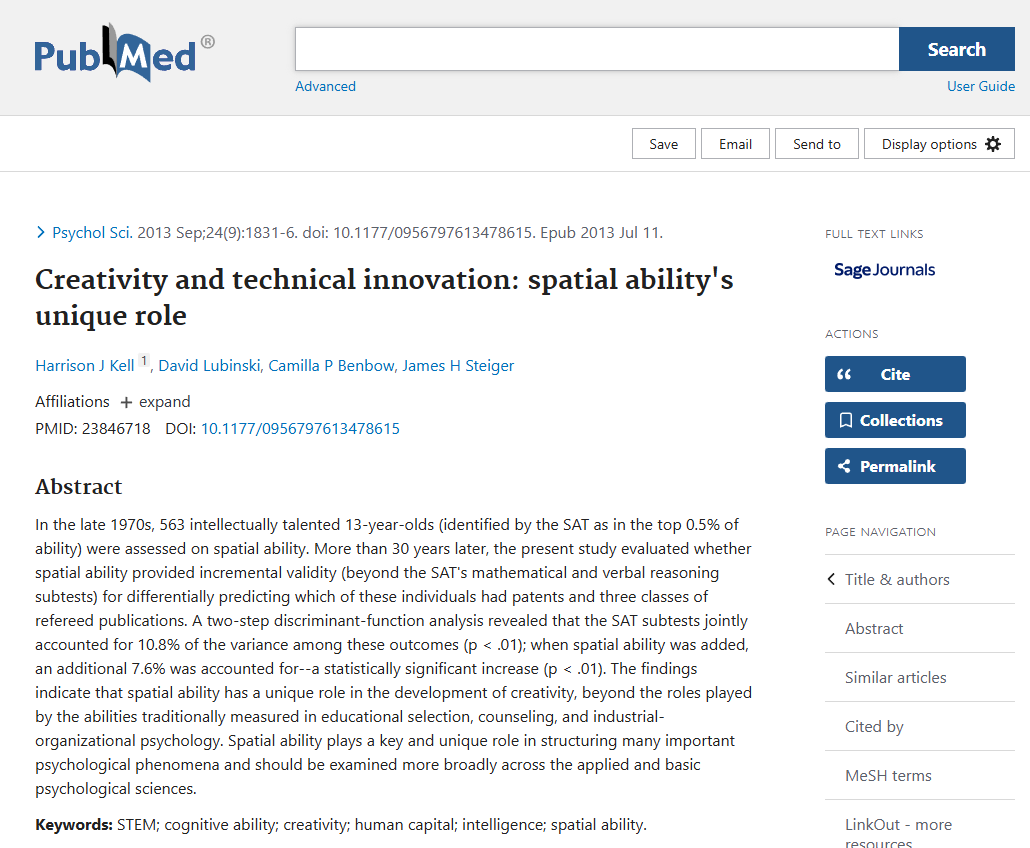
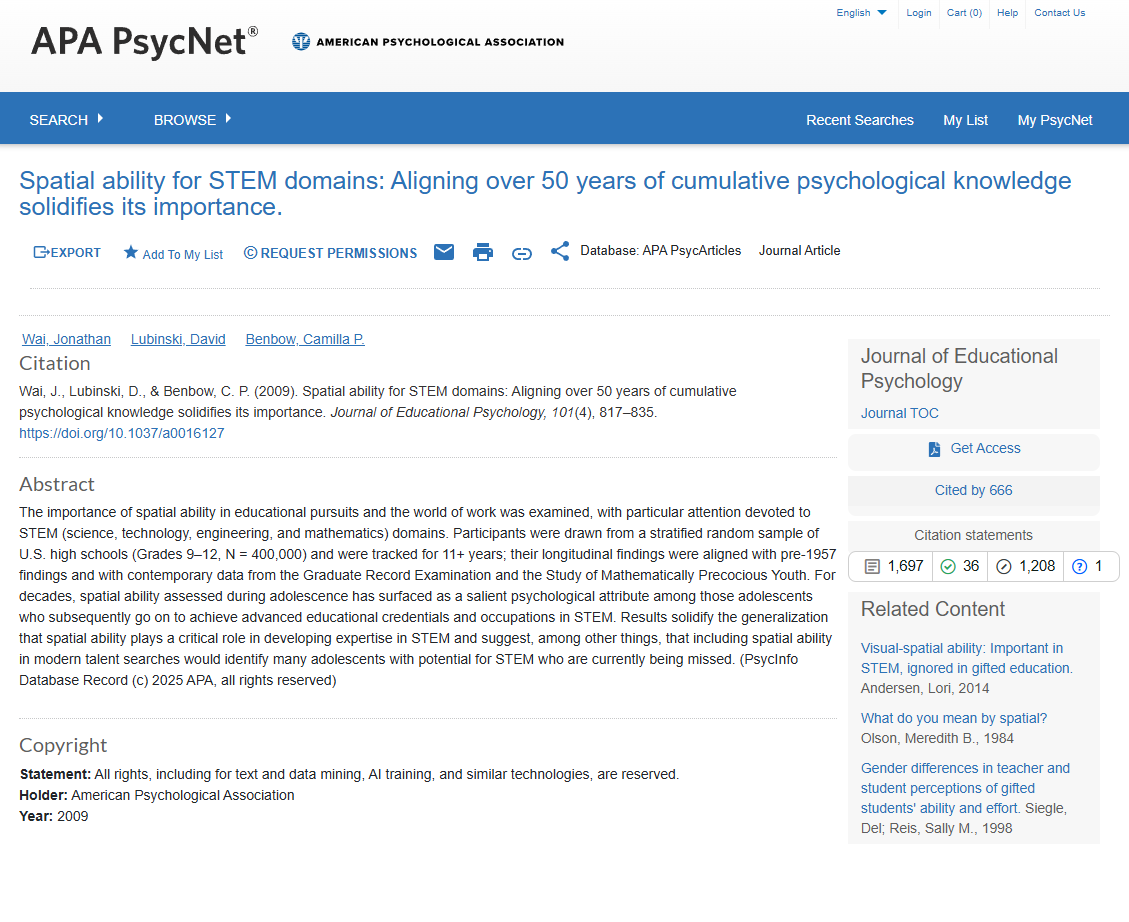
Spatial reasoning is one of the strongest cognitive predictors of achievement in science, technology, engineering, and mathematics.
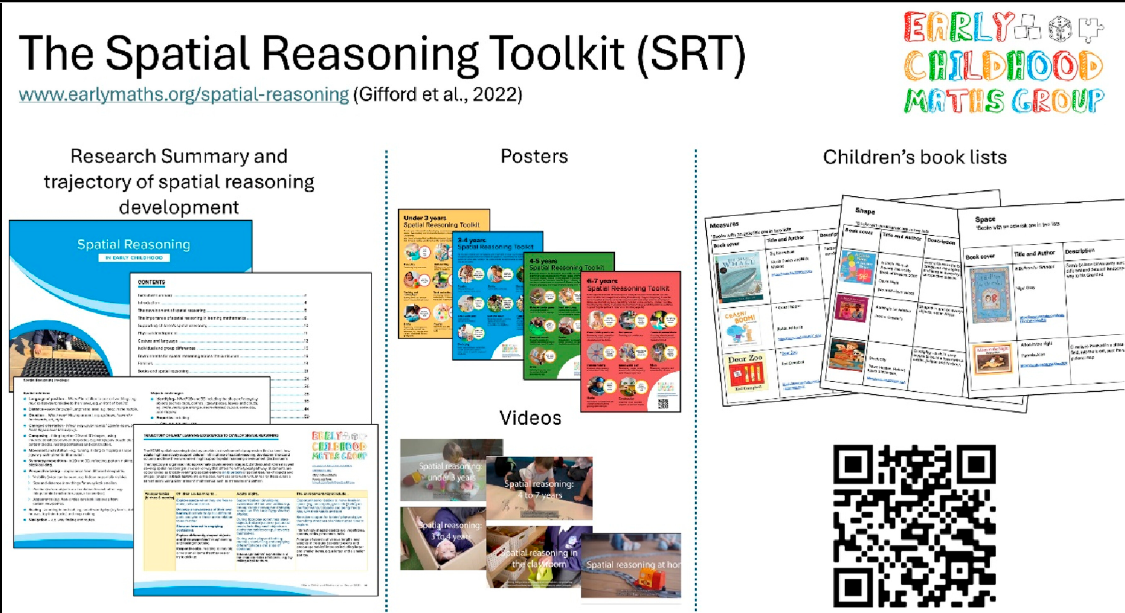
Spatial skills can be improved through targeted instruction, digital tools, and hands-on learning experiences. These interventions scale easily across classrooms and age groups.
Addressing disparities in spatial development—often linked to gender, socioeconomic background, or access ensures that all learners can participate fully in STEM.
Spatial thinkers excel at imagining possibilities, solving complex problems, and designing creative solutions. By nurturing spatial reasoning, we build the foundation for innovation.
A Deeper Dive
The Evidence Base: Landmark Studies and Emerging Insights
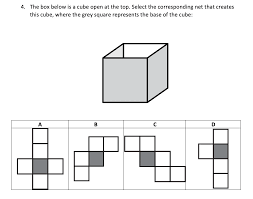
Want to see the science for yourself? Our curated database showcases pivotal studies in cognitive science, neuroscience, and STEM education—along with emerging research from adjacent fields. From classic findings on mental rotation to the latest work on spatial equity, this collection offers educators, researchers, and advocates a trusted resource to explore, cite, and apply.